This Golden Retriever Lost His Leg to Cancer, Then Did Something No One Expected
Nothing’s quite as heartbreaking as watching your dog’s life turn upside down due to sudden illness. It’s a painful experience that one family recently went through after their Golden Retriever, Nash, quickly went from a healthy dog with four functioning legs to a three-legged pup.
As narrated by his owner @maddisonhansonn on TikTok, Nash’s woes began on a random day when he was outside playing without a care in the world. His family noticed him limping after this play session, but there was nothing alarming about his behavior. Nash still seemed cheerful, strong, and energetic. When they later checked his limping (back) leg, they spotted a small lump that barely looked visible. Nash didn’t seem to be in any pain, so his family, like most dog owners, decided to observe him over the days that followed. (Watch Video Below)
At first, Nash’s owners were hopeful that the lump would shrink and disappear on its own. Unfortunately, the opposite happened. Instead of shrinking, this tiny bump grew bigger with every passing day.
@maddisonhansonn what a journey it’s been 🥹 So proud of him #tripod #tripawd #threeleggeddog #goldenretriever #goldenretrieverlife ♬ sonido original – Yeudiel
A Life-Changing Decision
Worried about Nash’s growing lump, his family rushed him to the vet for answers. What they never expected was that this vet visit would come with a devastating diagnosis. After examining Nash and running tests, the vets discovered he had Grade 3 Soft Tissue Sarcoma (STS) on his limping leg.
Since the cancer was already in its most aggressive grade, the only option was to amputate Nash’s leg to prevent the cancer from spreading to other parts of his body. Surgery was necessary to save his life.
Recovery Struggles
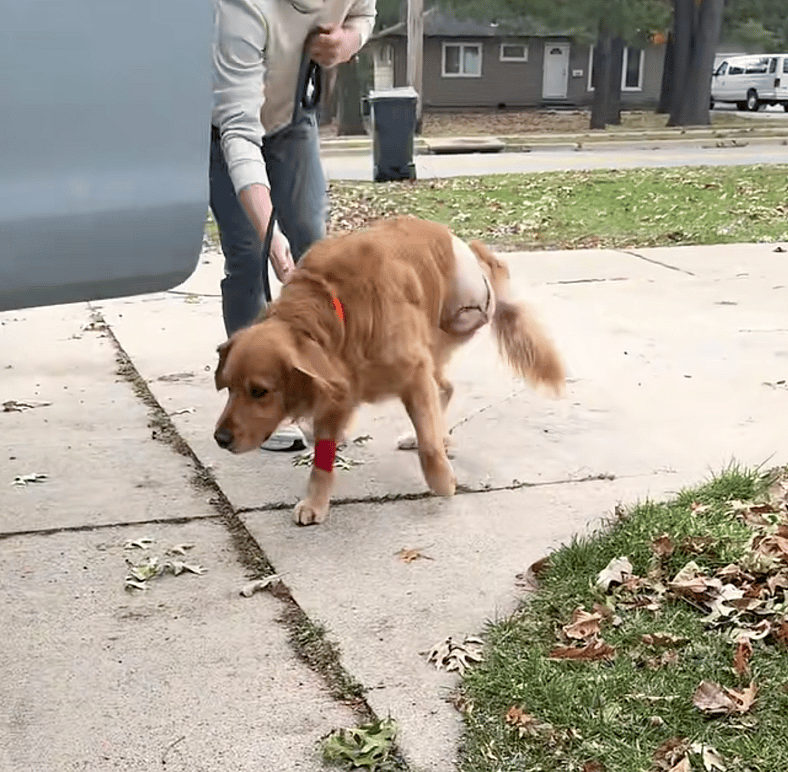
Thankfully, Nash’s surgery was a success. But his recovery and adjustment period were anything but easy.
During the early days after surgery, Nash struggled to adjust to life without four legs. Everything about his body felt unfamiliar, as he experienced trouble walking, standing, and maintaining balance. His new reality also affected his confidence. Nash couldn’t understand why moving around freely wasn’t normal anymore. But through it all, his family gave him the physical and emotional support he needed to adjust to a tripod lifestyle.
As days went by, Nash began to gain confidence to take the next step, even when it felt hard.
Nash’s Inspiring Transformation
It’s been over a month since Nash got his leg amputated. Amazingly, he’s no longer the unsure, heartbroken pup that he was during the initial days after surgery. Nash has already adapted to life with three legs. He now runs, walks, and plays without hesitation. Above all, his confidence and joyful personality are shining through like never before.
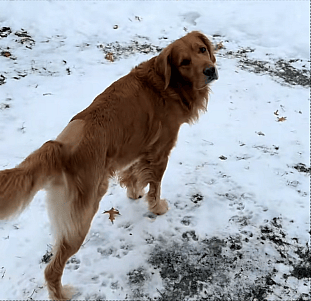
Nash embraces each day with the same gratitude and enthusiasm he had before his life took a hit. While he may have lost a leg, he never lost the core of who he is: a playful pup who’s full of life.
Nash’s story is proof of how incredibly resilient dogs are in the face of challenges. Most importantly, his journey serves as a timely reminder on the importance of seeking veterinary help when your dog shows any unusual signs, whether minor or major.
Grade 3 Soft Tissue Sarcoma in Dogs FAQs
What is Grade 3 Soft Tissue Sarcoma in Dogs?
Soft Tissue Sarcoma (STS) in dogs is a generic term for cancerous tumors that develop in the soft and connective tissues. This includes areas such as the muscles, blood vessels, tendons, nerves, and fatty tissues. Normally, STS tumors are graded on a scale of 1-3.
According to veterinary experts, Grade 1 and Grade 2 Soft Tissue Sarcomas rarely spread to other parts of the body. Grade 3 Soft Tissue Sarcoma, however, has the highest likelihood of metastasizing.
Grade 3 Soft Tissue Sarcoma in Dogs Symptoms
Research shows that the most common symptom of Grade 3 STS is a soft or hard lump(s) at the location of the tumor. Other symptoms also occur depending on where the tumor is located. PetMD notes that these symptoms include limping, pain when touched on a particular area, difficulty urinating, decreased appetite, and vomiting/diarrhea.
How Is Soft Tissue Sarcoma in Dogs Treated?
The most common treatment approach for STS in dogs is surgery to remove the tumor. In cases where the tumor can’t be reached or is too large for surgery, alternative treatments such as Radiation Therapy may be applied.
Unfortunately, Grade 3 Soft Tissue Sarcoma has the highest recurrence rate (75%) after treatment compared to the other grades.
How Long Can a Dog Live With Soft Tissue Sarcoma?
Findings from the Lloyd Veterinary Medical Center show that dogs with low-grade STS (Grade 1 & 2) can, on average, live another 2-4 years after successful treatment. Dogs that undergo treatment for Grade 3 Soft Tissue Sarcoma live for a year or less on average.